
Spekero Playground
Social Awareness
The Thinking Gallery294 quizzes

Why can this pattern affect you beyond the calls themselves, and what is a constructive response?

What is the healthiest way to understand this situation and respond?

What does it really mean to be a nice person?

Which question is more respectful?

Which compliment is safest and most respectful?

Which question is least likely to make someone feel judged?

Which response is clearer than overexplaining?

Which reply is best when a friend shares bad news?

Which response helps you connect without pretending?

Which sentence avoids lying to fit in?

Which thought shows better self-awareness in friendship?

Which reply keeps a conversation going without making yourself look bigger?

Which action helps keep friends around in a genuine way?

You realise you have been talking loudly without noticing. What is the most self-aware response?

Which thought is healthiest after you accidentally interrupt someone several times?

Which behaviour can make an embarrassing moment worse?

What is a useful question to ask yourself after an awkward social moment?

You keep making jokes that people do not seem to enjoy. What should you consider?

Your friend does something embarrassing in public, but it is not illegal and nobody is harmed. What should you do first?

Which sentence is the kindest way to mention an awkward habit to a friend?

What should you avoid assuming when a friend keeps missing social signals?

Which wording is best if you wonder whether your friend struggles with attention, impulse control, anxiety, or social cues?

Which response balances honesty with kindness if your friend asks, "Was that embarrassing?"

Someone strongly believes their culture's way of greeting is the only respectful way. What should they remember?

Why might two people not see the same behaviour in the same way?

When is it usually better to accept a cultural difference?

Why is controlling other people's harmless cultural behaviour harmful?

Which response shows cultural awareness when someone's way of doing things feels unfamiliar?

Which behaviour is most likely to be bullying?

Which sentence is a warning sign of intimidation?

Which pattern suggests social exclusion?

Which response is safest when you notice repeated bullying?

Which thought shows good self-awareness after being targeted?

Which pattern is a warning sign of a bullying or abusive character?

If you must be around an aggressive person, what communication is usually safer?

Which sentence is a safer response when someone tries to provoke you?

What should you avoid doing with someone who has a pattern of bullying or abusive behaviour?

Which plan best protects you if you have to keep dealing with a bullying, abusive, or aggressive person?

Someone often explodes with anger when conversations do not go their way. What is the healthiest thing to remember?

Which way of speaking is usually safer when someone is already angry?

Which boundary is safer if the conversation is becoming heated?

What should you avoid if someone has a pattern of anger outbursts?

When should you get extra support instead of trying to handle an angry person alone?

Someone shows controlling or abusive behaviour, and you think, "If I am kinder, they will change." What is the main risk in that thought?

Why is it unsafe to assume you can change an abusive person just by being understanding?

Which behaviour should you take seriously instead of explaining it away as stress?

What is a safer response if you sense someone is becoming controlling or abusive?

Which sentence shows kindness without becoming responsible for fixing the abusive behaviour?

What is a safer first response if you notice someone is being bullied?

Which support sentence is most helpful to someone who has been bullied?

What should you avoid when trying to help a bullying victim?

Which action protects both you and the victim when bullying is repeated?

What should you be careful about before confronting someone who is bullying others?

Why might someone who has been abused not realise abusive behaviour is harmful?

Which behaviour is a sign of emotional abuse?

Which thought shows better awareness after noticing a harmful pattern?

How can abusive behaviour affect someone's mental health?

What is a healthier response if you realise your behaviour may be abusive?

Which answer names several types of behaviour that can be considered abuse?

Which behaviour is a warning sign of emotional or verbal abuse?

Which situation may be financial or controlling abuse?

Which sign should make you take possible abuse seriously?

What is a safer response if you think you or someone else may be experiencing abuse?

Which pattern may be a sign that someone has been abused or is being controlled?

What is a gentle way to ask for information if you are worried about someone?

Why should you avoid accusing someone of being abused before asking careful questions?

Which response is most supportive if someone begins to share that they are being harmed?

What should you do if you think someone may be in immediate danger?

Someone gets promoted after lying, manipulating people, and taking credit. What is the healthiest lesson to take from this?

Why is it dangerous when manipulative behaviour is rewarded at work or in a group?

Which response shows good self-awareness when you see a dishonest person succeed?

What is one sign that an unhealthy role model is shaping the environment?

What can help stop an unhealthy pattern from becoming normal?

Which pattern may make someone more likely to abuse power after a promotion?

Why can grandiose behaviour become more dangerous when someone gets authority?

Which behaviour is a warning sign that someone may use a position for manipulation?

What is a healthier way to judge whether someone can handle power responsibly?

What should you be aware of if someone becomes harsher, more entitled, or more controlling after promotion?

Someone posts, "Simple life today, and I feel peaceful and happy." What is the fairest way to understand it?

Which post is more likely to sound like approval-seeking or showing off?

What is one downside of relying on likes and praise for small satisfaction?

Why might people react differently than you expected to a Facebook post about your lifestyle, success, or family?

Which behaviour is most unhealthy when posting online?

What should you consider before taking advice from someone else?

Which sign suggests advice may lead to unhealthy consequences?

Why should you remember that the advice-giver is not always in your situation?

What can happen if you always listen to others and never practise your own thinking?

Which response shows mature thinking when someone gives strong advice?

Your auntie keeps telling you what to do even after you said you will decide for yourself. Which response sets the clearest boundary?

A neighbour keeps saying, "You should think like this." What is a healthy way to respond?

Why can repeated advice from relatives or neighbours become exhausting?

Which sentence is firm without being rude when someone will not stop advising you?

What should you do if someone keeps pushing advice after you set a boundary?

Before blaming someone for a decision, what should you remember?

Which sentence shows humility before giving advice?

Why can acting like a know-it-all about someone else's life cause harm?

What is a healthy choice when you realise you do not know enough about someone's situation?

Which mindset is healthiest when discussing someone else's difficult decision?

How can practising critical thinking help build stronger confidence?

What is a healthy way to handle a decision that leads to a bad outcome?

Why is it useful to analyse both good and bad outcomes?

Why should you be careful with advice from people who have never or hardly been in your situation?

Which mindset helps you improve after setbacks?

When can "fake it until you make it" be useful in a healthy way?

Why does fake intelligence usually not last long?

Which behaviour is a warning sign that someone is faking intelligence instead of learning?

Why can the setback feel harder when someone has been pretending for a long time?

What is the healthiest approach if you want to become more confident or capable?

Someone is caught doing something wrong, but they keep saying, "I cannot believe you would accuse me." What behaviour might this show?

Why might someone keep denying something even after strong evidence appears?

Which sentence is a sign of guilt-shifting after someone is questioned?

What is a healthier response when someone questions you with evidence about something you did wrong?

How can you respond if someone keeps denying, deflecting, and making you feel guilty after clear evidence?

Someone says, "Quiet people are always suspicious." What is a more thoughtful way to think about this?

Why can statements like "all parents love their children" be harmful?

What is a sign that someone is making a quick assumption instead of thinking carefully?

What problem can quick assumptions cause in communication?

Which response shows better awareness when you hear a simple claim about a whole group of people?

Someone says, "My parent keeps humiliating me," and another person replies, "But parents always love their kids." What is harmful about that reply?

Which response is more supportive when someone expresses frustration about a parent's behaviour?

Why can the phrase "they only want the best for you" be risky when someone describes harmful parental behaviour?

Which sign suggests someone is using the parent-love assumption to shut down a serious conversation?

What is a healthier way to think when someone complains about a parent's behaviour?

Why can it be harmful when people automatically say, "Parents always love their children," after someone describes abuse or neglect?

Why can it be harmful to assume every boss became a boss because they are the smartest person?

What is one reason people may keep defending parents or bosses automatically, even when there is evidence of harm?

Which response shows better awareness when someone complains about a parent or boss?

Why do people sometimes 'never learn' from repeated examples of abusive parents or manipulative bosses?

What is one serious risk when parents often leave a child with random or untrusted people?

Which sign may suggest a child does not get enough consistent care or attention at home?

How can lack of safe attention affect a child's communication and behaviour?

What is a safer approach if a parent has limited time but needs help looking after their child?

If you are worried a child may not be safely looked after, what is a responsible first step?

A parent keeps telling their child under 18 about adult relationship, money, or family conflict. What is the main concern?

Which behaviour crosses a healthier parent-child boundary?

What impact can repeated adult problem-sharing have on a child?

What is a healthier way for a parent to handle adult problems?

If a child is already being exposed to too many adult problems, what should an adult be careful to do?

If you cannot be sure what someone thinks or means, what is the most respectful approach?

Someone says they are fine, but later says you should have known they were upset. Which reply is clearest and kindest?

What does "read between the lines" usually mean?

What problem can happen when everyone expects others to read hidden meanings?

Which sentence is short, clear, and polite when you need someone to say what they mean?

What can happen when someone repeatedly makes you doubt your own judgement?

Why can exaggerated praise about your competence be unhelpful?

Which approach helps you understand your own strengths and weaknesses?

How can you avoid falling too much into other people's opinions about you?

Why is self-awareness still important even when you are protecting your self-trust?

Which behaviour can quietly tell people you may feel insecure, even if you are trying to cover it?

Which pattern can make insecurity more visible in conversation?

What should you recognise if you often feel the need to prove yourself with outside things?

How do people with less insecurity often behave around their weaknesses?

What is a healthier alternative to covering low confidence with performance?

Why is it important to understand human capacity when trying to improve?

Which behaviour can show unrealistic expectation from another person?

What is a warning sign that someone may be criticising to look good or get their own job done?

Which thought is healthier when you feel pressure to be perfect?

How can you respond when someone expects perfection without understanding your limits?

Which response sounds like a backhanded compliment?

Which behaviour can be a sign of jealousy?

Which sentence minimises someone else's achievement?

Which thought shows good self-awareness around a jealous person?

Which response is calm when someone makes a jealous comment?

A friend is taking longer than expected to explain something. Which response shows patience?

Which action shows consideration in a group conversation?

Someone makes a small mistake while helping you. What is the most considerate response?

Which thought helps you stay patient when someone is slower than you?

Which sentence considers both your needs and the other person's feelings?

What does being considerate of others usually mean?

Which behaviour is considerate?

Which behaviour is not considerate?

What is a pushover?

What is the difference between being considerate and being a pushover?

What does patience mean?

How can patience be developed over time?

Why is patience useful when learning a difficult skill?

What can happen when someone regularly lacks patience?

Which thought can help you respond patiently during an unexpected delay?

If everyone in a group only thinks about themselves, what is the likely social effect?
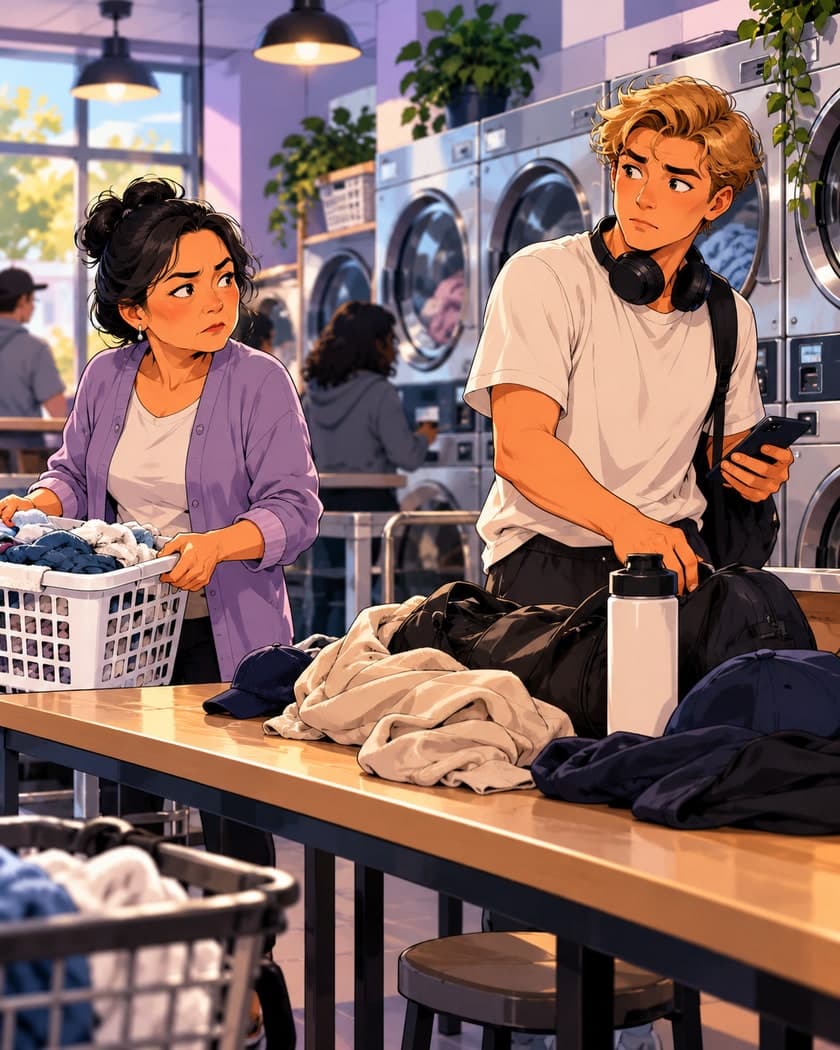
Which behaviour can start a selfish domino effect in a shared space?

A meeting becomes frustrating because people keep interrupting. What is the healthiest reset?

You feel annoyed by selfish behaviour around you. What helps you respond more calmly?

Which choice helps improve a selfish social environment?

Which pattern is a stronger sign someone may be taking advantage of you?

Which situation sounds more like normal give-and-take?

Which sentence is a red flag after you set a reasonable boundary?

Which question helps you check whether a relationship is balanced?

Which response is calm when you suspect someone is taking advantage of you?

What type of person may enjoy taking advantage of others?

How might an exploitative person choose a target?

Which behaviour is a warning sign that someone is testing whether they can take advantage of you?

What should you avoid when you suspect someone enjoys taking advantage of others?

Which response is safer if someone keeps pushing after you say no?

What type of person may pick on someone they think is easy to trick?

Which behaviour is a warning sign that someone may be trying to influence or brainwash you?

What is a healthy way to protect yourself when someone is pressuring you to believe them quickly?

Which pattern can make someone easier to trick or wrongly influence?

How can you improve your awareness so you are less easily tricked by the wrong people?

You meet someone and their look or behaviour reminds you of people who bullied you before. What is the most balanced first response?

What is a warning sign that other people are dismissing your concern in an unhelpful way?

How can you protect yourself if you feel uneasy around someone but do not yet have clear evidence?

Why can a "know-it-all" response make you doubt yourself in an unhealthy way?

What is a healthy way to check whether your instinct is warning you about a real pattern?

Imagine you own a company. You know someone is very confident but has lied about their skills before. What is the wisest hiring decision?

Why do some companies hire or promote people who lie about their skills?

What skill may be missing when a manager keeps promoting someone who exaggerates, lies, or takes credit for other people's work?

If leaders know someone lies to get ahead but still promote them, what can that suggest?

What happens to a workplace when false confidence and lying are repeatedly rewarded?

Which behaviour shows someone is judging another person based mainly on appearance?

Why is it harmful to assume someone is unintelligent because they are unattractive, quiet, casually dressed, or different from your usual idea of competence?

What is a sign that someone often treats people through unfair appearance assumptions?

How can you respond if someone assumes you do not understand something because of your appearance?

What habit helps you avoid judging others unfairly by appearance?

After dating someone who lied and showed little consideration, which conclusion is the most balanced?

How can the belief that 'everyone is the same' create a domino effect in dating and society?

What is happening when someone creates drama, tests, or punishes a new partner for another person's past behaviour?

Which signs are more useful for judging emotional maturity than appearance, education, money, or job position?

What can help stop the social domino effect of blanket assumptions and mistrust?

Someone tells you they have had a difficult day. Which response shows support without pretending you can solve everything?

What impact can a repeated 'I do not care' attitude have on the person speaking?

How can uncaring responses contribute to a wider social domino effect?

Someone has often received cold or unkind responses and now reacts harshly to others. What is the most balanced understanding?

What is a healthy way to interrupt the cycle of low sympathy and harsh responses?

You arrive at a gathering and someone looks at you slowly from head to toe. Why might this make you feel threatened or humiliated?

Someone smiles, says hello, and makes room for you in the conversation. Why are you likely to feel more welcome?

A person at the gathering does not speak to you or make eye contact. What is the most balanced interpretation?

What can you do if another person's behaviour makes you uncomfortable at a gathering?

Which preparation can help you feel more at ease before attending a gathering?

What is a healthy balance when being friendly with someone of the opposite sex or anyone who might interpret your warmth as romantic interest?

Why might someone think you are flirting when you only want everyone to feel included?

If you often mistake friendliness for flirting, what can help you avoid reading too much into one interaction?

Why can straightforward but polite communication help when romantic interest is unclear?

Which response gently clarifies that your friendliness was misunderstood?

What is the most useful first check before deciding whether your behaviour is reasonable?

Which sentence communicates a boundary directly and politely?

Someone feels disappointed because you politely said no. Does their disappointment automatically mean your behaviour was harmful or wrong?

After a difficult interaction, which review is most likely to reduce unhealthy self-doubt while keeping self-awareness?

When can you reasonably accept that you have done your part and move on peacefully?

Which substances can be addictive and may harm brain function, especially with heavy or prolonged use?

Which pattern may be a possible sign that substance use is affecting someone's thinking or behaviour?

Why can you not tell from a few surface details or short things an addicted person says whether they have brain damage?

Which behaviour may suggest slow thinking or decision-making problems that need concern, without assuming the cause?

What is the most responsible response if you are worried prolonged substance use is affecting someone's brain, choices, or safety?

Which behaviour shows a healthy amount of friendliness with someone you do not know well yet?

Which sign may show you are being over-polite in a way that exhausts you?

What is a good way to avoid becoming over-talkative?

Which response shows empathy without taking on the whole problem?

Which thought helps you choose the right amount of social effort?

Which behaviour shows a comfortable amount of eye contact during conversation?

How can you look away naturally without seeming rude?

Which gaze habit can make another person uncomfortable?

If direct eye contact feels too intense, what is a respectful alternative?

What is a good rule for checking whether your gaze is respectful?

Someone pauses while trying to explain an idea. What is usually the best first response?

When might it be okay to help complete someone's thought?

Why can finishing someone's sentence too often become frustrating?

What is a respectful way to respond if you accidentally finish someone's thought?

Which habit helps you avoid taking over when someone is thinking?

Which pattern is a warning sign of stalking behaviour?

Why can obsessive attention scare people?

Which behaviour should be taken seriously as a possible stalking red flag?

What is a safer response if someone feels watched, followed, or repeatedly contacted?

Why should someone seek professional help if they feel obsessed and cannot stop watching or contacting another person?

What does intelligent usually mean?

Which example best shows intelligence?

How is intelligent different from clever?

Which behaviour can make an intelligent person easier to communicate with?

Which sentence shows intelligent self-awareness?

What does smart often mean in everyday communication?

Which action is the smartest response during a disagreement?

How is smart different from intelligent?

Which sentence sounds smart and practical?

When can a smart choice also be wise?

What does clever usually suggest?

Which example best shows clever thinking?

When can clever behaviour become unhealthy?

How is clever different from wise?

Which sentence shows cleverness with responsibility?

What does street-smart usually mean?

Which behaviour shows street-smart awareness?

How is street-smart different from intelligent?

Which sentence sounds street-smart when someone pressures you to decide quickly?

What is a healthy street-smart habit in social situations?

What does wise usually mean?

Which response is the wisest when you are angry?

How is wise different from clever?

Which sentence shows wisdom in a conversation?

Which choice is wise when you do not know enough yet?

Which sentence sounds kindest when someone is nervous?

Which sentence is best when someone apologises?

Which sentence helps someone feel included?

Which sentence is thoughtful after someone helps you?